
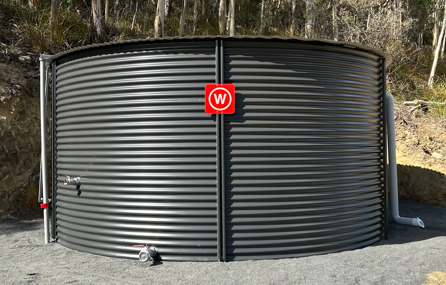
Commercial Tank Requirements (Fire Safety)
When it comes to commercial or rural properties, especially those requiring fire safety compliance, your water tank isn’t just for rainwater harvesting; it becomes a critical safety asset. In many cases, property developers, builders or owners must meet strict standards around tank size, fittings and accessibility.
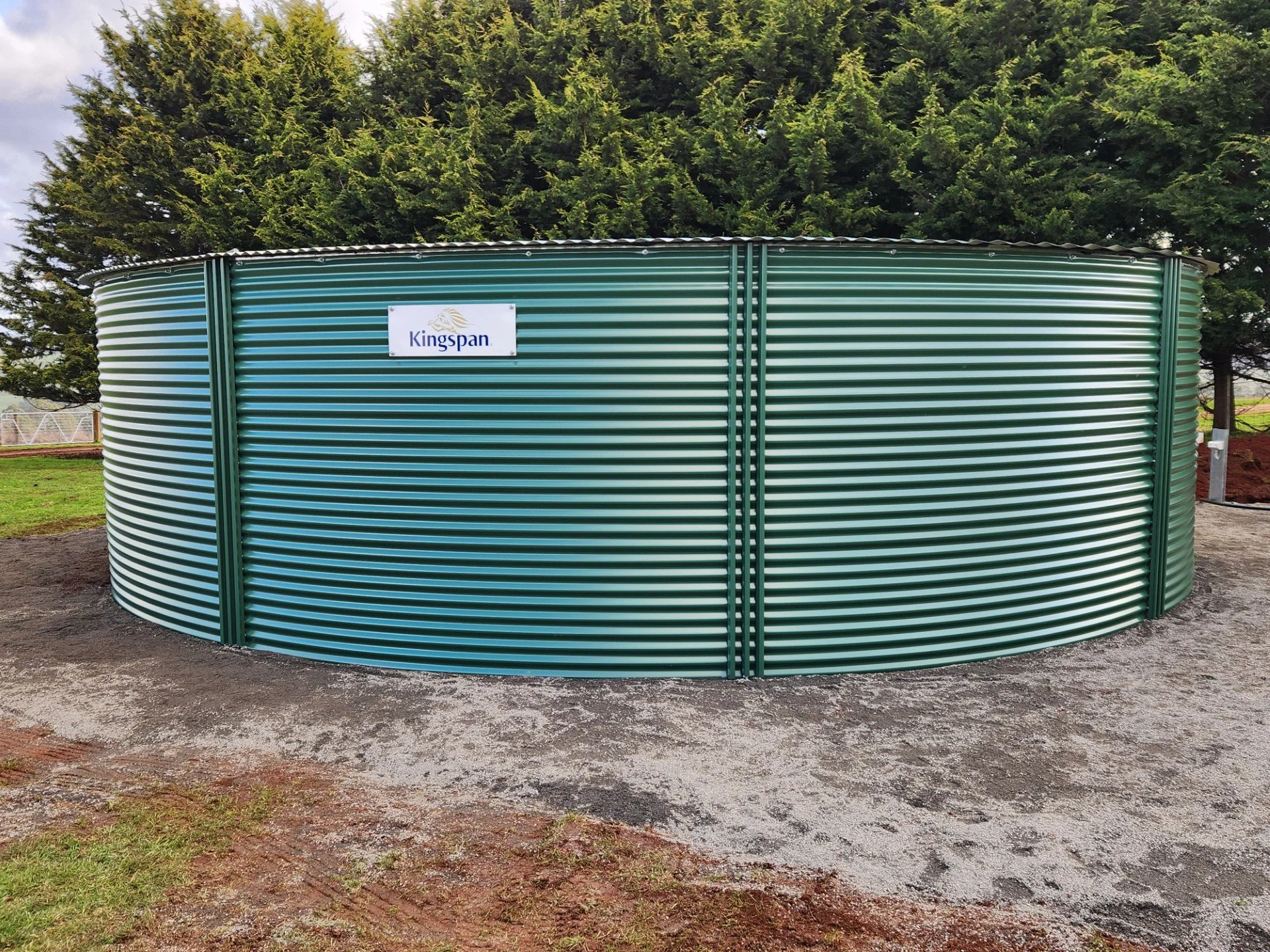
Underground Tanks vs Above-Ground Tanks
When you’re adding water storage to a property, one of the big decisions is whether to go with an above‑ground tank (the usual vertical or slimline tank you see next to houses and sheds) or an underground tank tucked beneath the surface. Each has pros and cons, and the right choice depends on your property, water needs, aesthetics and budget.
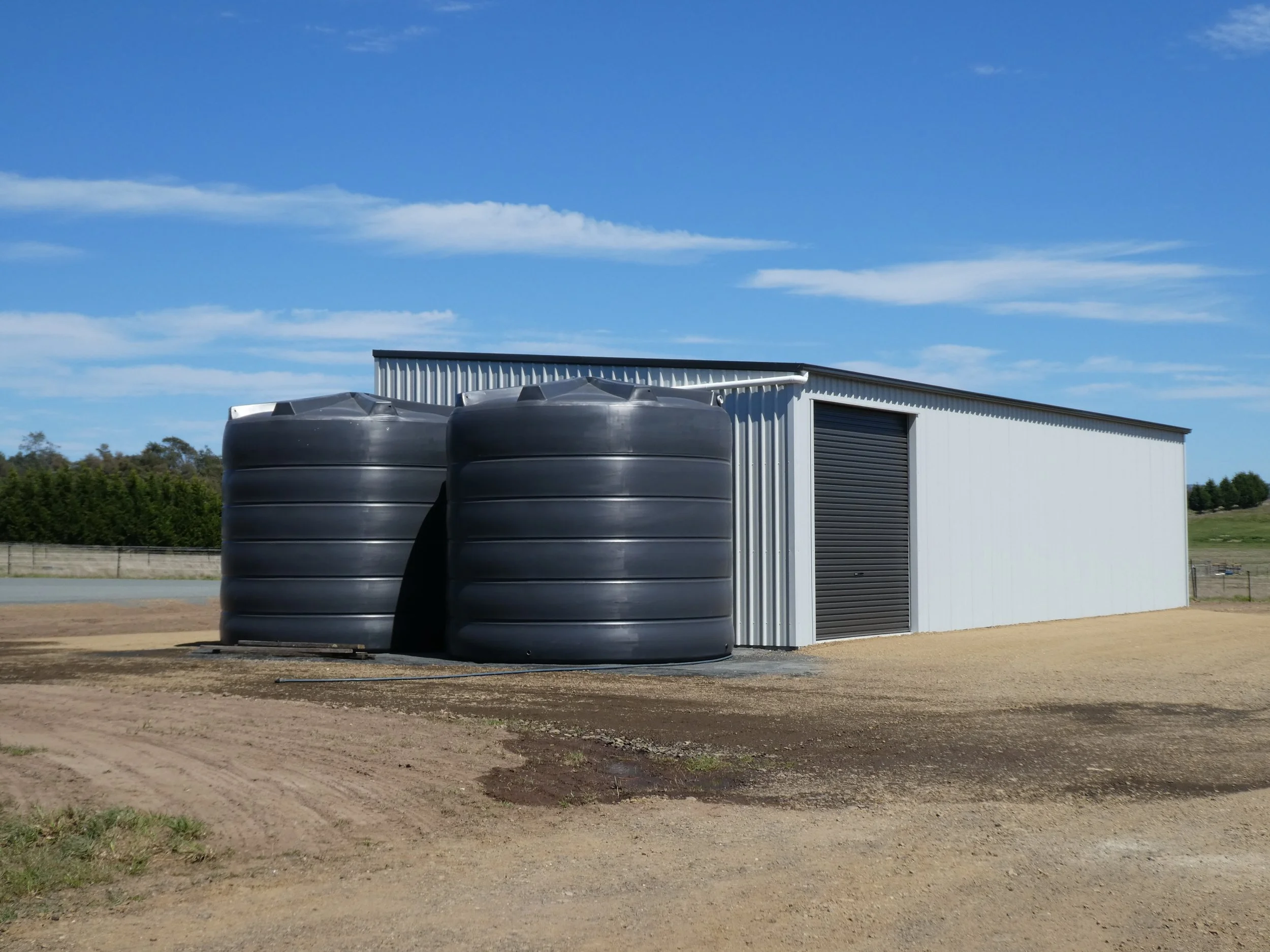
Best Locations for Tank Placement
Where you position your water tank on your property affects performance, longevity and maintenance effort. Get placement right, and your tank will deliver maximum benefit with minimal hassle. Get it wrong, and you could have problems with water pressure, overflow, access or even safety.
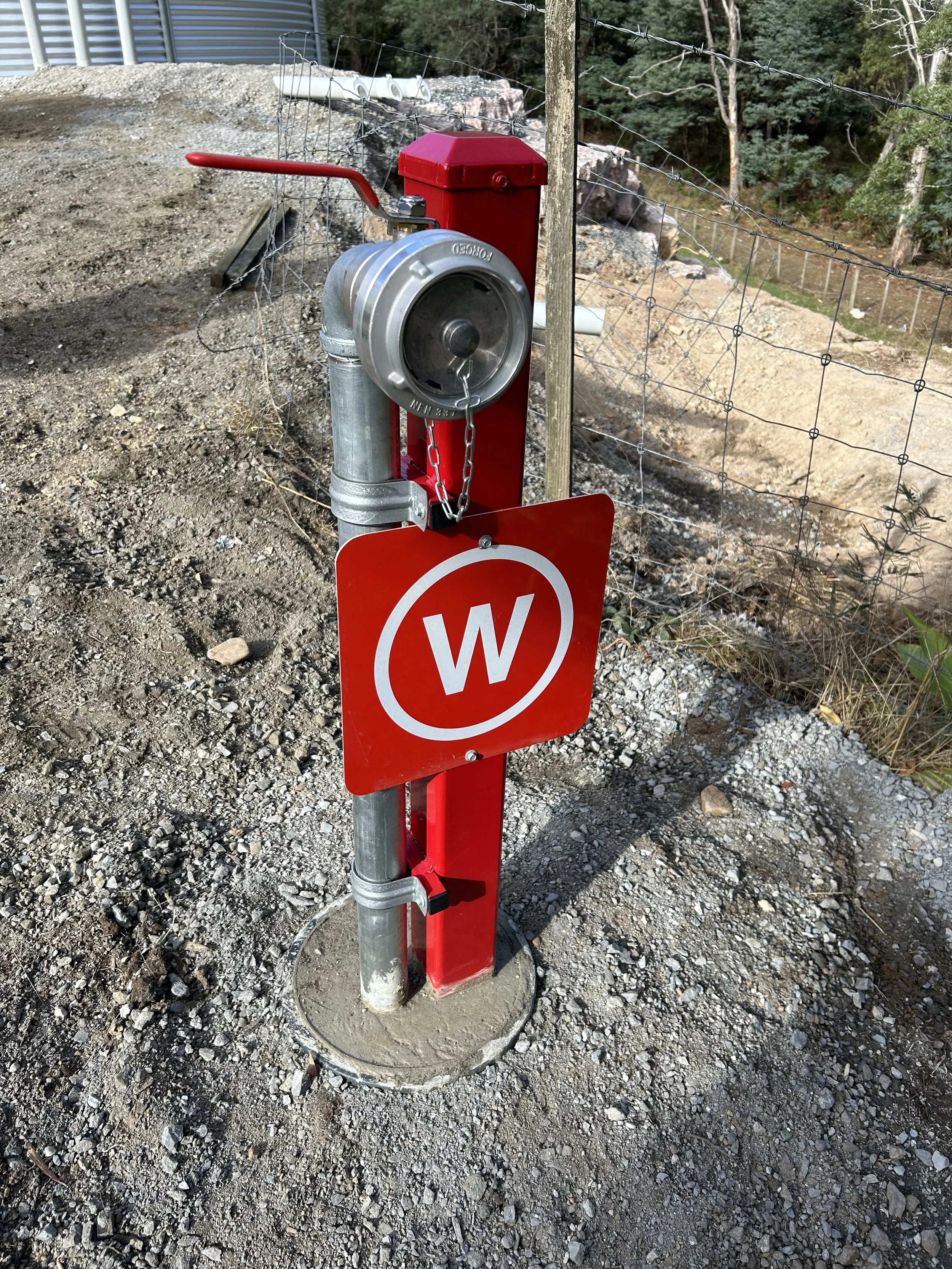
Council Regulations for Water Tanks in Tasmania
Installing a water tank is more than picking a size and location; in Tasmania, local council regulations often dictate certain requirements. Whether you’re installing for rainwater harvesting, fire safety, or household supply, it pays to know the rules.
Common Tank Maintenance Mistakes
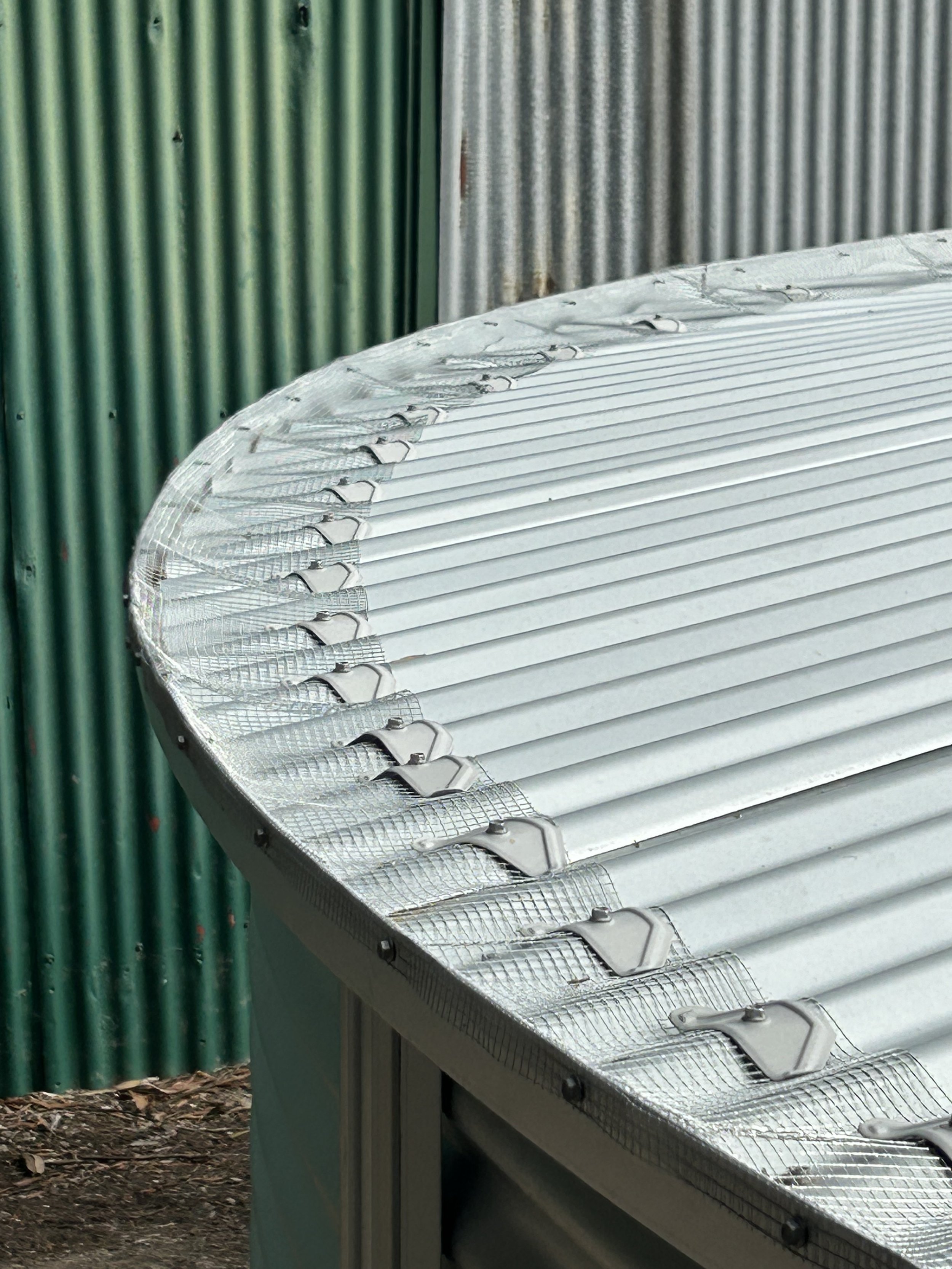
A water tank isn’t simply install-and-forget. To get decades of reliable service, whether for water supply, irrigation, or fire safety, you need periodic maintenance. The good news? Most maintenance tasks are straightforward. The bad news? Some common mistakes can reduce water quality or damage your tank. Here’s how to stay on top of tank care.
What to Expect During Tank Installation
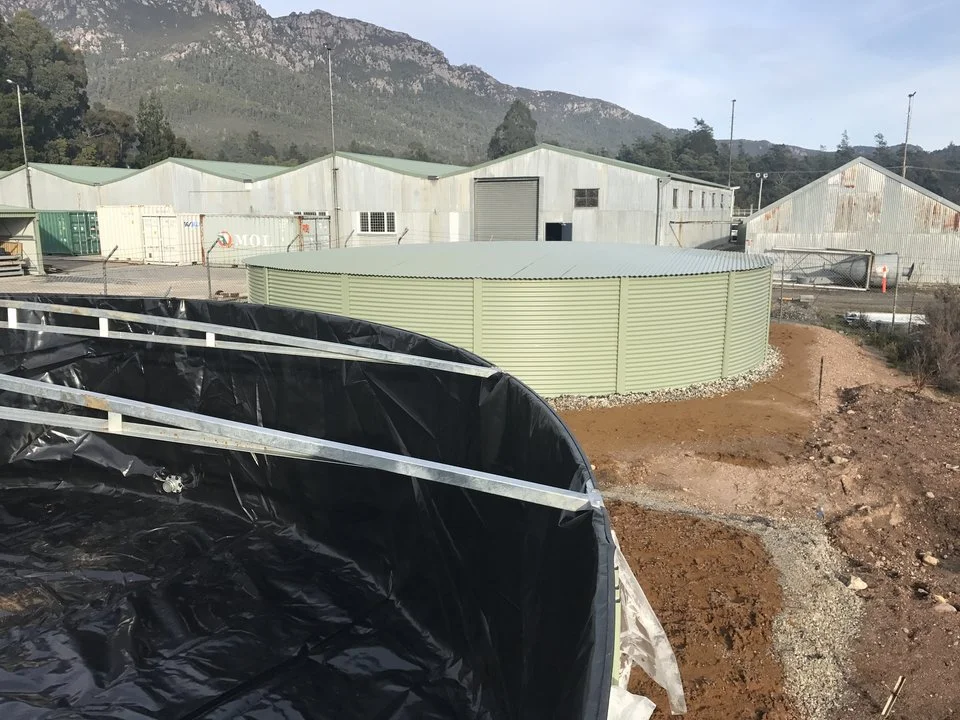
Installing a water tank, whether poly or steel, can seem like a big process. There’s ground preparation, transport, plumbing, fittings, and sometimes site complexity.
How Rainwater Harvesting Saves Money
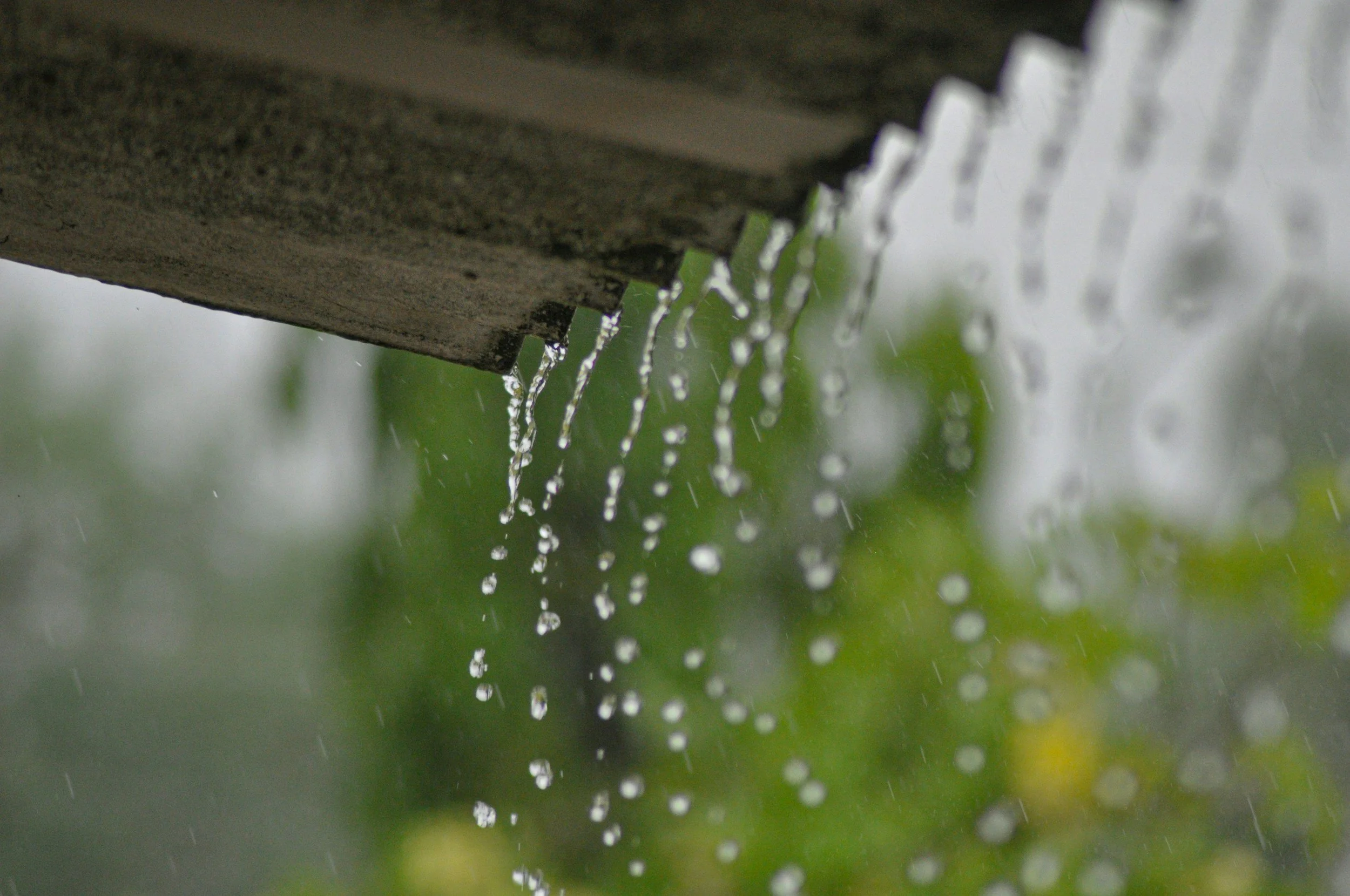
Water bills in Tasmania can be a sizeable ongoing expense, especially if you’re running sprinklers, washing clothes, flushing toilets or filling pools. Installing a water tank and harvesting rainwater can slash those bills, reduce dependence on the mains supply, and provide a reliable water source throughout the year.
Poly Tanks vs Steel Tanks: Which Is Better?
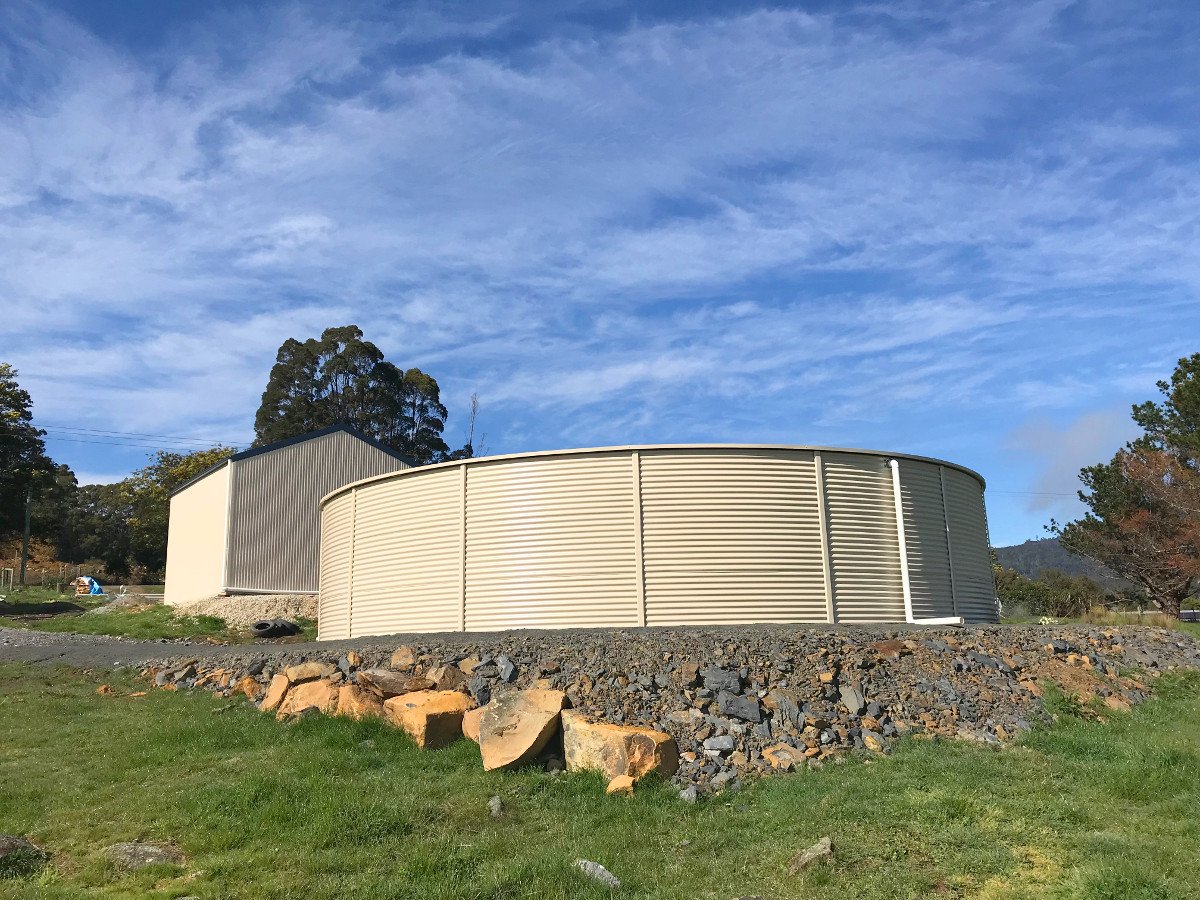
Deciding between a poly (polyethylene) water tank and a steel tank isn’t just about price. It’s about how you’ll use the tank, the property layout, long‑term performance and maintenance.